When Does Ramadan 2026 Start & End? Your Essential Dates Guide
The sacred month of Ramadan is a deeply significant period for Muslims worldwide, observed with profound devotion, fasting, reflection, and community spirit. As the ninth month of the Islamic lunar calendar, its exact start and end dates shift each year when viewed against the Gregorian calendar. This guide will help you navigate the anticipated dates for Ramadan 2026, ensuring you're prepared for this blessed time.
Many often wonder, "Is It Ramadan Today?" The answer depends on where you are in the world and, crucially, the sighting of the crescent moon. For 2026, the global Muslim community is already looking ahead to mark their calendars.
Decoding the Lunar Calendar: When Does Ramadan 2026 Officially Begin?
The Islamic calendar operates on lunar cycles, meaning each month begins with the confirmed sighting of the new crescent moon (hilal). This inherent reliance on astronomical observation is why the start date of Ramadan can vary slightly, often by a day or two, across different regions and even within communities. This lunar rhythm also explains why Ramadan appears to move approximately 10 to 11 days earlier each year in the Gregorian calendar.
For 2026, the anticipation points to **Ramadan beginning around the evening of February 17th or 18th, with the first day of fasting expected to be February 18th or 19th.** While some predictions lean towards **February 19th** as the most likely start, the final confirmation will hinge on the moon's sighting over Mecca or local observatories. This moment signifies the commencement of a month dedicated to intense spiritual rejuvenation, heightened devotion, and a deeper connection with the Qur'an and special prayers.
Understanding this celestial dance is key to preparing for the holy month. While astronomical calculations provide strong predictions, the tradition of physical moon sighting remains paramount for many communities. This means that while you can mark your calendar with expected dates, it's always wise to confirm with local religious authorities closer to the time. For a deeper dive into how this traditional method impacts the global observance, explore our article on
Ramadan 2026: Understanding the Lunar Calendar & Moon Sighting.
Marking the End: Ramadan 2026 Conclusion and Eid al-Fitr
Just as the beginning of Ramadan is determined by the moon, so too is its conclusion. The holy month lasts either 29 or 30 days. Therefore, the end of Ramadan 2026 is expected to fall around **March 20th**.
The culmination of Ramadan is marked by one of the most significant celebrations in Islam: **Eid al-Fitr**, meaning the ‘Festival of Breaking the Fast’. Eid al-Fitr does not officially begin until the sighting of the new moon marking the start of the next Islamic month, Shawwal. For 2026, **Eid al-Fitr is anticipated to begin on or near March 20th or 21st**, again, depending on moon sighting.
Eid al-Fitr is a joyous occasion, a time of communal prayer, festive meals with family and friends, exchanging gifts, and expressing gratitude. It's a celebration of spiritual accomplishment and a moment to cherish bonds after a month of collective devotion.
Key Dates and Observances During Ramadan 2026
Beyond the start and end dates, Ramadan is punctuated by several other significant observances that enrich the spiritual experience. Here’s a glance at the key dates for Ramadan 2026:
- When does Ramadan 2026 start? Expected around February 18th or 19th (depending on moon sighting).
- How long is Ramadan 2026? 29 or 30 days, determined by moon sighting.
- When does Ramadan 2026 end? Expected around March 20th.
- When is Laylat al-Qadr 2026? The 'Night of Power' is among the last 10 odd nights of Ramadan, often observed on the 27th night, which might fall around March 17th.
- When Does Eid al-Fitr 2026 Start? Expected around March 20th or 21st (depending on moon sighting).
Sawm: The Fasting Experience
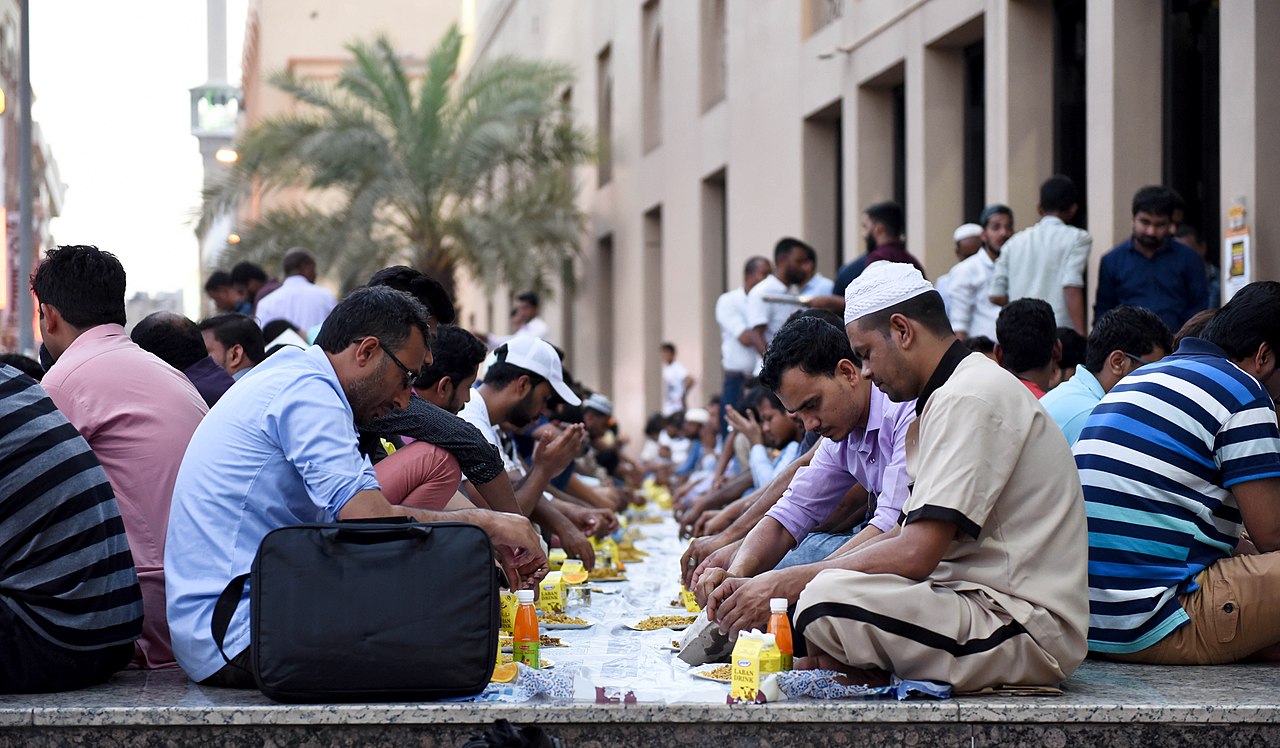
Fasting (Sawm) from dawn until sunset is a core pillar of Ramadan. This involves abstaining from food, drink, and other physical needs. Each day's fast concludes with the Maghrib prayers and the evening meal known as Iftar. It is a beautiful tradition, a Sunnah of the Prophet Muhammad (peace be upon him), to break the fast with dates, which offer both nutritional benefits and a symbolic connection to prophetic practice. Iftar is often a communal affair, bringing families and friends together to share blessings and strengthen bonds.
Laylat al-Qadr: The Night of Power
Among the most sacred nights of the Islamic year is Laylat al-Qadr, or the Night of Power. Believed to be the night when the first verses of the Qur'an were revealed to Prophet Muhammad, it is a time of immense spiritual significance. Muslims strive to intensify their worship, prayer, and charitable deeds during the last ten odd nights of Ramadan, hoping to catch this blessed night. Acts of worship performed on Laylat al-Qadr are considered to be more rewarding than those performed over a thousand months.
Zakat al-Fitr: Aiding the Less Fortunate
Before the conclusion of Ramadan and the special Eid al-Fitr prayer, all Muslims are required to make Zakat al-Fitr. This compulsory donation, traditionally comprising a staple food item or its monetary equivalent, serves a vital social purpose: to ensure that those less fortunate can also partake in the joy and celebration of Eid al-Fitr. It's often paid a few days in advance to ensure timely distribution and some choose to fulfill this obligation, or even general Zakat, on Laylat al-Qadr, seeking multiplied rewards for their charitable acts during this special night.
Embracing the Spirit of Ramadan: More Than Just Dates
While knowing the precise dates for Ramadan 2026 is essential for practical planning, the true essence of this month lies in its profound spiritual and communal dimensions. Ramadan is far more than just abstaining from food and drink; it's a holistic experience designed to purify the soul, foster self-discipline, and strengthen one's connection with Allah.
Throughout the month, Muslims are encouraged to:
- Intensify Prayer and Du'a (Supplication): Special prayers, particularly the nightly Tarawih prayers, become a central part of daily life. This is a time to make earnest supplications for oneself, family, and the wider community.
- Engage with the Qur'an: Many strive to complete a full reading of the Qur'an during Ramadan, dedicating extra time to its recitation, study, and reflection on its meanings.
- Practice Charity and Generosity: Beyond Zakat al-Fitr, acts of giving, feeding the poor, and volunteering are highly encouraged, reflecting the compassion inherent in Islamic teachings.
- Cultivate Self-Reflection and Discipline: Fasting serves as a powerful tool for introspection, enabling individuals to reflect on their habits, purify their intentions, and develop greater self-control over desires and negative traits.
- Strengthen Community Bonds: Sharing Iftar meals, attending communal prayers, and supporting each other in acts of worship foster a strong sense of unity and brotherhood/sisterhood.
Preparing for Ramadan extends beyond simply knowing "Is It Ramadan Today?" It involves mental, physical, and spiritual readiness. Consider setting personal goals for increased worship, charity, and self-improvement well in advance. This precious month offers a unique opportunity for profound personal growth and spiritual renewal. For further insights into the rich tapestry of Ramadan's practices and philosophy, read our comprehensive guide:
Ramadan 2026: Beyond Fasting – Eid, Charity, and Spirituality.
Ramadan 2026 promises to be another blessed period of immense spiritual blessings and communal solidarity. By understanding its key dates and embracing its core tenets, Muslims around the world can prepare to welcome this auspicious month with open hearts and minds. May it be a time of profound spiritual growth, reflection, and abundant blessings for all.