Ramadan 2026: A Time of Profound Spiritual Renewal and Community
As the Gregorian calendar pages turn, anticipation builds for Ramadan 2026, a month revered by Muslims worldwide. Far more than just a period of fasting, Ramadan is a holistic journey of self-reflection, spiritual rejuvenation, charitable giving, and communal bonding. It's a time when hearts turn towards devotion, minds engage in contemplation, and hands extend in generosity. This sacred month offers a unique opportunity to deepen one's faith, strengthen family ties, and foster a greater sense of empathy for humanity.
When Does Ramadan 2026 Begin? Navigating the Lunar Calendar
The timing of Ramadan is intrinsically linked to the Islamic Hijri calendar, a lunar calendar that operates on the phases of the moon. Unlike the fixed Gregorian calendar, the Islamic months shift approximately 10 days earlier each year, a unique characteristic that means Ramadan cycles through all seasons over time. For those wondering, "Is it Ramadan today?", the answer for 2026 hinges on a celestial event: the sighting of the new crescent moon.
Current estimations indicate that the blessed month of Ramadan 2026 is expected to commence around
Thursday, February 19th, with potential variations of a day or two depending on moon sighting protocols in Mecca or local regions. The first day of fasting would typically follow the evening of the moon sighting. This reliance on visual confirmation underscores a profound connection to nature and divine signs. Lasting for either 29 or 30 days, Ramadan 2026 is projected to conclude around
Friday, March 20th. For a detailed breakdown of all key dates and what they signify, you might find our guide on
When Does Ramadan 2026 Start & End? Key Dates Guide invaluable. Understanding this lunar cycle is fundamental to appreciating the spiritual rhythm of Islam; explore more about
Ramadan 2026: Understanding the Lunar Calendar & Moon Sighting.
The Essence of Fasting (Sawm): More Than Just Abstinence
At the heart of Ramadan is
Sawm, the obligatory fasting from dawn until sunset. During this period, Muslims abstain from food, drink, and other physical needs. However, the spiritual dimension of fasting transcends mere physical deprivation. It is a powerful exercise in self-discipline, patience, and empathy. By consciously foregoing basic comforts, fasters are encouraged to:
- Develop Taqwa (God-consciousness): To become more aware of God's presence and commands.
- Cultivate Self-Control: To master desires and focus on spiritual growth.
- Foster Empathy: To experience a glimpse of what the less fortunate endure, prompting greater charity and understanding.
- Purify the Soul: To detach from worldly distractions and focus on remembrance of Allah.
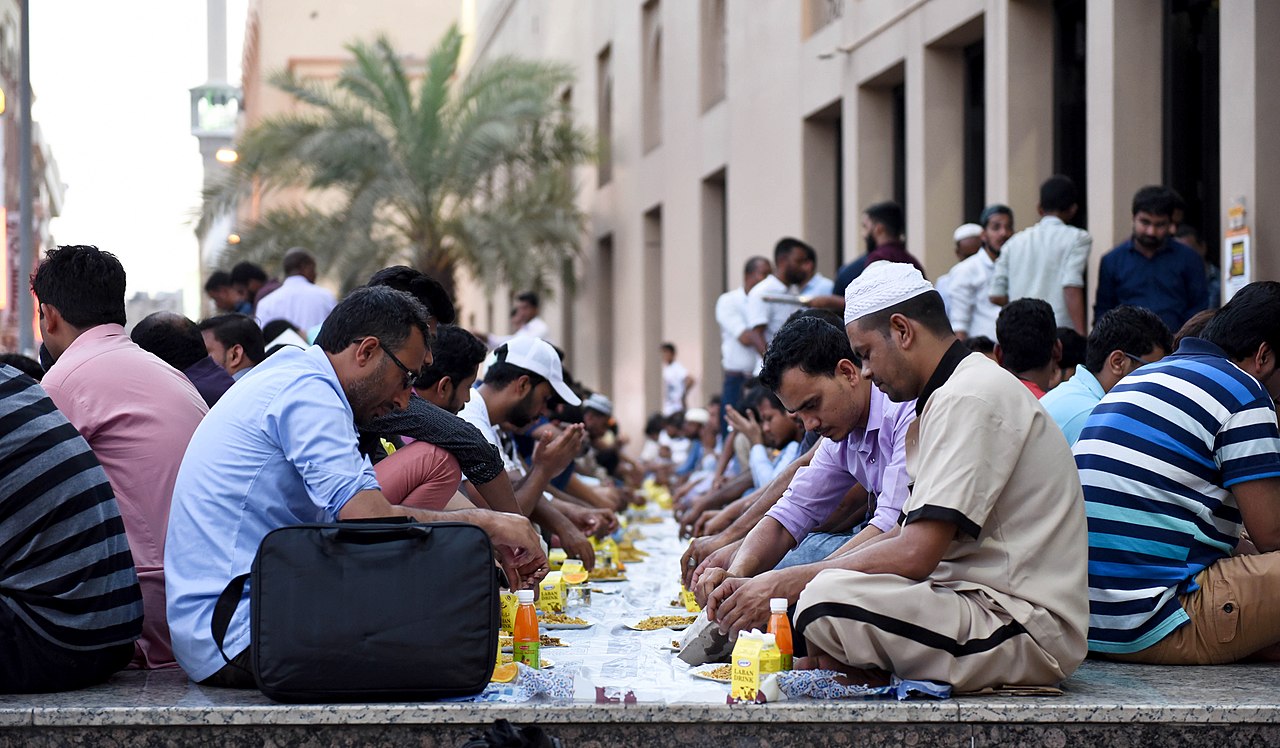
The fast is traditionally broken at sunset (Maghrib prayers) with
Iftar, a communal meal often enjoyed with family and friends. It is a cherished Sunnah (tradition) of Prophet Muhammad (SAW) to break the fast with dates, known for their quick energy boost and health benefits. This daily ritual not only replenishes the body but also strengthens communal bonds and offers a moment of gratitude. Many also engage in
Suhoor, a pre-dawn meal that provides sustenance for the day's fast, often a quieter, more personal moment of preparation.
Beyond the Fast: Charity (Zakat al-Fitr) and Spiritual Growth
While fasting is a central pillar, Ramadan's true richness lies in its emphasis on charity and intensified spiritual practices.
Zakat al-Fitr: A Gift of Solidarity
Before the celebratory Eid al-Fitr prayers, every Muslim is obligated to give
Zakat al-Fitr. This compulsory donation, traditionally a staple food item or its monetary equivalent, serves a critical purpose: to ensure that even the less fortunate can partake in the joy of Eid al-Fitr. It's a powerful act of solidarity, reflecting the Islamic principle of social justice and shared prosperity. While due at the end of Ramadan, it's often encouraged to pay Zakat al-Fitr a few days in advance to allow time for distribution to deserving recipients.
Laylat al-Qadr: The Night of Power
Among the most profound nights of Ramadan is
Laylat al-Qadr, the "Night of Power." Believed to be among the last ten odd nights of Ramadan (with many traditions pointing to the 27th night, potentially falling around
March 17th, 2026), this night holds immense spiritual significance. It is considered the night when the first verses of the Qur'an were revealed to Prophet Muhammad (SAW). Acts of worship, prayer, and charity performed on this night are believed to be multiplied in reward, making it a fervent period of devotion for many. Muslims often spend these nights in intense prayer, recitation of the Qur'an, and seeking forgiveness.
Celebrating Eid al-Fitr: The Joyous Culmination
The conclusion of Ramadan ushers in
Eid al-Fitr, the "Festival of Breaking the Fast." This joyous occasion marks a spiritual high point, a celebration of having successfully completed the month of fasting, reflection, and devotion. Eid al-Fitr 2026 is anticipated to begin around
Friday, March 20th or Saturday, March 21st, pending the sighting of the new moon.
Eid is a time for communal prayers, feasting, gift-giving (especially to children), and spending quality time with family and friends. Homes are adorned, new clothes are worn, and greetings of "Eid Mubarak" (Blessed Eid) resonate throughout communities. It's a day of gratitude, happiness, and reinforcing the bonds forged throughout the month. The spiritual lessons learned during Ramadan – patience, generosity, compassion, and devotion – are carried forward into the rest of the year, shaping a Muslim's character and outlook.
Conclusion
Ramadan 2026, like every Ramadan, offers a profound journey for over a billion Muslims worldwide. It's a period that transcends mere dietary restrictions, delving deep into the realms of spirituality, self-improvement, and community service. From the discipline of fasting (Sawm) and the heightened devotion of Laylat al-Qadr to the essential acts of charity like Zakat al-Fitr and the joyous culmination of Eid al-Fitr, Ramadan serves as a powerful annual reset. It's a reminder to nourish the soul, empathize with others, and strengthen one's relationship with the Divine, leaving an indelible mark on individual lives and global communities long after the crescent moon of Shawwal heralds its end.