Ramadan 2026: Understanding the Lunar Calendar & Moon Sighting
The arrival of Ramadan is a moment of profound significance for over a billion Muslims worldwide. Each year, communities eagerly anticipate the sighting of the crescent moon, which ushers in a month dedicated to fasting, prayer, reflection, and charity. If you're wondering, "Is it Ramadan today?" or planning ahead for this blessed period, understanding the unique rhythm of the Islamic calendar is key.
Unlike the fixed dates of the Gregorian calendar, the Islamic calendar, also known as the Hijri calendar, is based entirely on the lunar cycle. This means the start and end dates of Ramadan shift annually, moving approximately 10 to 11 days earlier in the Gregorian calendar each year. For 2026, this sacred month is expected to commence in mid-February, carrying with it the usual anticipation and spiritual preparation.
Decoding the Islamic Calendar: Why Ramadan Dates Shift
The Islamic calendar operates on a system tied directly to the moon's phases. A new month begins with the observation of the new crescent moon (hilal), marking the end of the previous lunar cycle. This direct reliance on celestial observation means that the exact start date of any Islamic month, including Ramadan, cannot be definitively known far in advance based on astronomical calculations alone.
This lunar-based system explains why Ramadan's timing appears to "drift" backwards through the Gregorian year. Since a lunar year is shorter than a solar year (roughly 354 days vs. 365 days), the difference accumulates, causing Islamic holidays to fall in different seasons over time. This cyclical movement ensures that Muslims around the globe experience Ramadan in various weather conditions and daylight hours, fostering a universal sense of shared experience.
For 2026, based on astronomical projections and historical patterns, Ramadan is anticipated to begin around Thursday, February 19th, or Friday, February 20th. However, it's crucial to remember that these are projections. The final confirmation will depend on the actual sighting of the crescent moon, typically after sunset on the evening prior to the first day of fasting. This practice connects Muslims directly to the tradition established by Prophet Muhammad (peace be upon him).
Ramadan 2026: Anticipated Dates and Key Milestones
As the world prepares for the spiritual renewal that Ramadan brings, understanding the projected timeline for 2026 can help individuals and communities plan effectively. While the ultimate confirmation rests on the moon sighting, here's a detailed look at the anticipated key dates:
- When does Ramadan 2026 start? Expected to be on or around Thursday, February 19th, or Friday, February 20th, following the sighting of the new crescent moon.
- How long is Ramadan 2026? Ramadan lasts for either 29 or 30 days, depending on the moon sighting at the end of the month.
- When does Ramadan 2026 end? The month is expected to conclude around Friday, March 20th.
- When is Laylat al-Qadr 2026? The Night of Power (Laylat al-Qadr) is one of the most sacred nights, believed to fall within the last 10 odd nights of Ramadan. Many traditions pinpoint the 27th night. For 2026, the 27th of Ramadan might fall around Tuesday, March 17th. This is a particularly auspicious time for prayer and charitable deeds.
- When Does Eid al-Fitr 2026 Start? The celebratory festival of Eid al-Fitr, marking the end of Ramadan, is expected to begin on or near Friday, March 20th, or Saturday, March 21st, once again, pending the moon sighting.
These dates offer a robust framework for preparation. We encourage readers to consult local Islamic authorities and community centers closer to February 2026 for the most accurate and localized announcements. For a more detailed breakdown of these dates and what they entail, you can explore our comprehensive When Does Ramadan 2026 Start & End? Key Dates Guide.
The Sacred Tradition of Moon Sighting
The practice of moon sighting, known as ru'yat al-hilal, is deeply rooted in Islamic tradition. It serves as a physical and spiritual connection to the teachings of the Quran and the Sunnah (practices) of Prophet Muhammad (PBUH). The Quran instructs believers to fast when they witness the new moon, thereby commencing Ramadan.
While astronomical calculations can predict the moon's position with high accuracy, the traditional method emphasizes actual visual confirmation. This can sometimes lead to slight variations in start dates between different regions or countries. Some communities adhere to a global sighting (meaning if the moon is sighted anywhere in the world, Ramadan begins), while others require a local sighting within their own geographical area. This diversity is an inherent part of the lunar calendar system and is often discussed by religious scholars and councils as Ramadan approaches.
Beyond Fasting: The Spiritual Essence of Ramadan
Ramadan is far more than just abstaining from food and drink. It's an intensive period of spiritual rejuvenation, a month designed to cultivate piety, self-discipline, and compassion. The fast (Sawm) from dawn until dusk is a cornerstone, but it's complemented by a multitude of other acts of worship and reflection.
Increased Devotion and Quranic Engagement: Muslims dedicate extra time to prayer, including special nightly prayers known as Tarawih. Reading and reflecting upon the Holy Quran takes on heightened importance, with many striving to complete a full recitation during the month. This focus on scripture strengthens one's connection to divine guidance.
Iftar and Community: The breaking of the fast, called Iftar, is a cherished daily ritual. It is traditional to break the fast with dates, following the Sunnah of the Prophet (PBUH), before partaking in a meal often shared with family, friends, and community members. These gatherings foster unity and gratitude.
Charity and Empathy: Ramadan is a month of immense charity. Zakat al-Fitr, a compulsory donation of staple food items or its monetary equivalent, must be paid before the Eid al-Fitr prayers. Its purpose is to ensure that less fortunate individuals can also partake in the joy of the Eid celebration. Many also choose to increase their general charitable giving (Sadaqa) during this month, especially on nights like Laylat al-Qadr, when rewards for good deeds are believed to be multiplied manifold. This focus on empathy reminds fasters of the plight of those who regularly experience hunger and hardship.
For a deeper dive into these profound aspects of the holy month, including the significance of Eid al-Fitr and the various forms of charity, explore our article: Ramadan 2026: Beyond Fasting – Eid, Charity, and Spirituality.
Preparing for a Blessed Month
As Ramadan 2026 approaches, preparing for it isn't just about knowing the dates, but also about mental, spiritual, and even physical readiness. Here are a few tips:
- Set Intentions: Reflect on your goals for the month – what spiritual habits do you want to build or strengthen?
- Physical Preparation: Gradually adjust your eating and sleeping patterns if possible. Consult a doctor if you have health concerns about fasting.
- Spiritual Prep: Increase your prayers and Quran reading in the weeks leading up to Ramadan to build momentum.
- Community Connection: Plan to share Iftars with family and friends, and engage with your local mosque for special events and prayers.
- Charity Planning: Determine your Zakat al-Fitr amount and consider other charitable donations you wish to make.
Eid al-Fitr: The Festival of Breaking the Fast
The conclusion of Ramadan is marked by Eid al-Fitr, a joyous festival signifying the "Festival of Breaking the Fast." This celebration follows the final moon sighting of Ramadan, ushering in a day of thanksgiving and communal rejoicing. For 2026, Eid al-Fitr is anticipated to fall on or around March 20th or 21st.
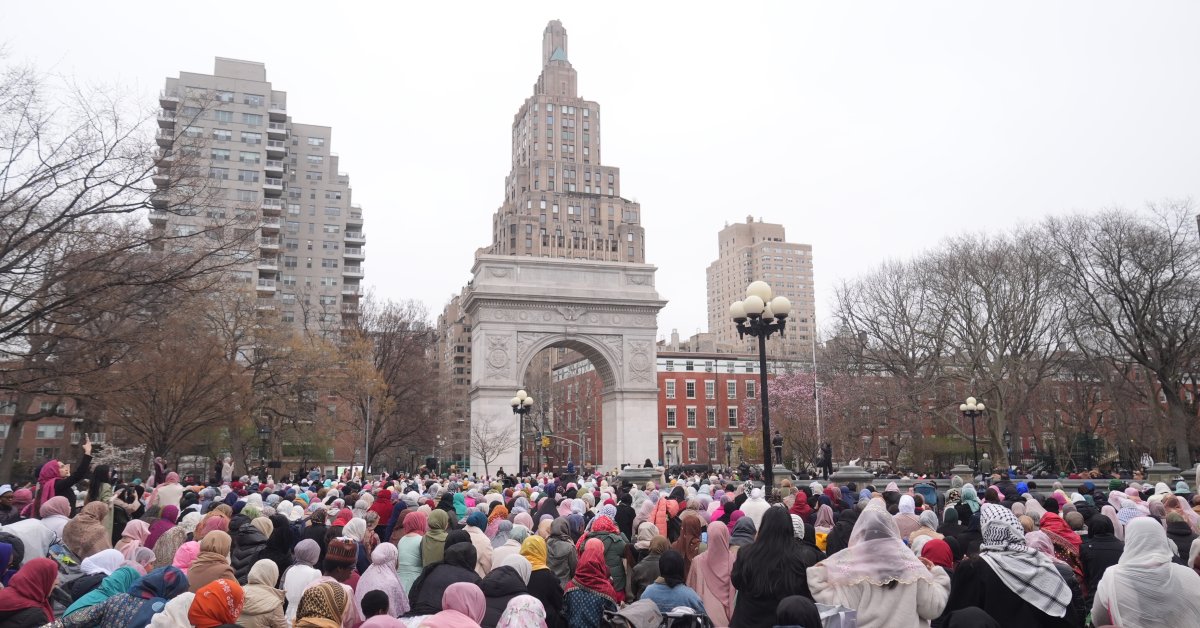
Eid al-Fitr is a day filled with special congregational prayers, often held in large open spaces, followed by visits to family and friends. It's a time for sharing gifts, especially with children, and enjoying festive meals. The spirit of gratitude for completing the month of fasting, coupled with the joy of togetherness, makes Eid al-Fitr a truly special occasion for Muslims worldwide.
The question "Is it Ramadan today?" carries a weight of spiritual anticipation and community connection. For Ramadan 2026, while the exact start will hinge on the celestial dance of the moon, the general timeframe points to a February 19th or 20th commencement. This unique aspect of the lunar calendar is not merely a logistical detail but a beautiful tradition that underscores faith, observation, and unity. As the blessed month approaches, Muslims everywhere will be looking to the sky, ready to embrace the profound spiritual journey that Ramadan offers, preparing their hearts and minds for a period of immense blessings, reflection, and devotion.